

Follow Us

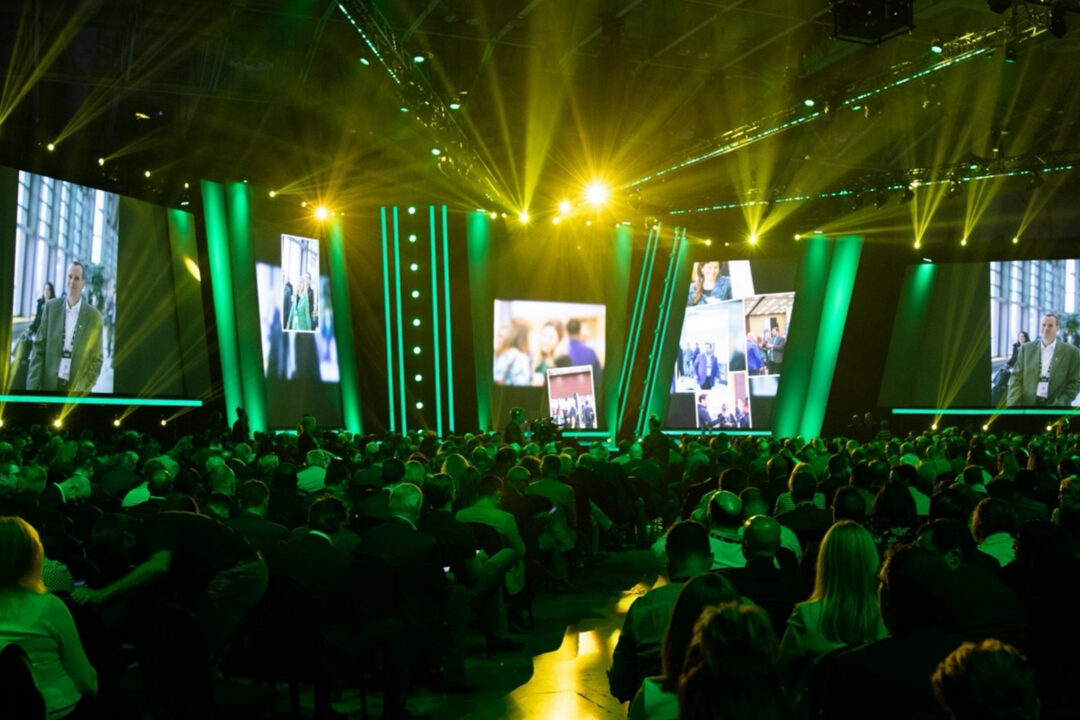
How a Leadership Meeting Becomes a Conference Experience
A leadership meeting does not have to stay a leadership meeting forever. As audiences grow and expectations change, many internal programs evolve into conference experiences with multiple touchpoints, more attendee choice, and a stronger overall journey. This is often where event design, content strategy, and attendee experience start working together in a much bigger way.
A traditional leadership meeting is usually built around one room, one agenda, and one shared message. It is efficient and direct, but it can become limiting when the audience grows or when leaders need more than a single session to absorb the strategy. A conference experience expands the format into multiple environments that serve different needs at once.
That shift changes the role of the event. Instead of only delivering updates, the program now has to create momentum, build connections, and support how messages travel across the organization.
As attendance increases, so does complexity. What began as a full-day leadership meeting eventually evolved into a program with mainstage content, learning sessions, networking, expo-style activations, and additional executive touchpoints. Over time, the event had to support far more people, more stakeholders, and more moving parts.
At that point, the challenge is no longer just producing the event. It is designing a system that can handle scale while still feeling clear, intentional, and high-touch.
One of the biggest markers of a conference experience is choice. When attendees can select breakout sessions, move between spaces, or engage with different types of content, the event becomes more relevant to them. That relevance increases attention and gives people a reason to connect with the material in a more meaningful way.
Choice also improves the quality of the experience outside the mainstage. Networking lounges, speaker follow-up spaces, and activation areas all give attendees different ways to engage, which makes the event feel more personal and less one-dimensional.
Mainstage content still matters, especially when senior leaders are communicating priorities that need to ripple through the organization. But the spaces around the stage often shape how the event is actually remembered. Breakout rooms, networking zones, and expo-style environments became essential parts of the experience.
These spaces gave attendees a place to learn, talk, explore, and continue the conversation. When they are designed well, they turn an agenda into a journey and make the conference feel like an integrated experience rather than a series of disconnected sessions.
Long-running programs are powerful because they teach you what actually works over time. As the event evolved, ELP had to grow from production support into broader conference strategy, helping shape content flow, attendee movement, executive support, and the spaces surrounding the mainstage. That kind of repeat engagement creates stronger instincts and better systems.
The biggest lesson is that a conference experience is not built in one year. It is built through iteration, trust, and a willingness to let the format evolve as the audience and the organization evolve with it.
FAQ
What is the difference between a leadership meeting and a conference experience?
A leadership meeting usually focuses on one shared session and direct communication. A conference experience includes multiple environments, more choice, and a more complete attendee journey.
Why do internal events become more complex over time?
They grow because audiences expand, business priorities change, and leaders need more ways to communicate strategy, not just more people in the room.
Why does attendee choice improve conference design?
Choice helps attendees engage with the content that matters most to them and makes the overall event feel more relevant and useful.
What spaces matter most beyond the mainstage?
Breakout rooms, networking lounges, activation areas, and speaker follow-up spaces often shape the overall experience just as much as the keynote content.
How does ELP approach long-running leadership events?
ELP helps design the experience around the content, the audience, and the operational realities of the program, so the event can keep evolving without losing clarity.